
Similar to the last blog, I’m going to be talking about GPU’s (Graphics Processing Unit) next. In the computer world, the GPU is single-handedly the most important part of the system. It, in terms of the human body is the ‘muscle’ of a computer whereas the CPU is widely considered the brain. The two main companies that manufacture these cards are Nvidia and AMD.
History
AMD (Advanced Micro Devices) was founded in 1969, over 50 years ago. . Over the years, AMD has acquired other companies and sold off portions of its business. The most important of these are the acquisition of ATI Technologies in 2006, which had became AMD’s GPU division ever since. AMD today doesn’t only design GPU’s but also designs CPU’s as I talked about in last weeks blog. AMD’s main products today are sold under the Ryzen (CPUs) and Radeon (GPUs) brands.
Nvidia hasn’t been around quite as long as AMD being founded in 1993. Nvidia focused solely on graphics from the beginning. Nvidia game out with the GeForce 256 in 1999, which became the first GPU to support T&L (Transform and Lighting) calculations. Nvidia’s GeForce brand has stayed in place for nearly 20 years, and is currently in its 17th generation. Their current lineup of cards are the RTX 20 Series.
How a GPU works
So before we compare them together, I would like to quickly talk about how a Graphics Card works. Internally, both AMD and Nvidia GPUs perform the same and do the same primary calculations. However, there are differences in way they do the calculations. AMD GPUs have had asynchronous compute technology since 2012, but it didn’t really matter until Windows 10 arrived in 2015 that had the ability to support it.
In general, AMD GPU’s tend to have more processing cores compared to Nvidia. As an example, the AMD RX Vega 64 has 4,096 GPU cores, while the direct rival Nvidia GTX 1080 has 2,560 cores. Nvidia typically makes up for the core count deficit with higher clock speeds (How fast it’s able to compute) and overall better efficiency.
Nvidia has sealed its upper-hand to add numerous technologies over the years. Some of which being: PhysX. Also, most Game libraries are designed for Nvidia GPU’s, rather than AMD’s and in many cases can’t even be used on non-Nvidia cards. The new RTX series of GPU’s from Nvidia take the competition to a new level. Nvidia helped pave the way for real-time ray tracing, deep learning, and other complex features. As of right now, AMD does not have any kind of ray tracing technology in their GPU’s.
Below I’ve linked ray tracing examples and how beautiful it makes games look. The second video has Minecraft with ray tracing.
Ray Tracing Videos
Price
Now, we get to the elephant in the room, price. Today, in raw performance, there’s no question about which GPUs are faster. Nvidia’s GPU’s take the cake. The GTX 1080 Ti, which is the second to latest generation, still manage to beat AMD’s fastest GPUs. Nvidia’s new RTX 2080 Ti holds the crown by a long shot and is the absolute best GPU you can buy — at a price. aster.
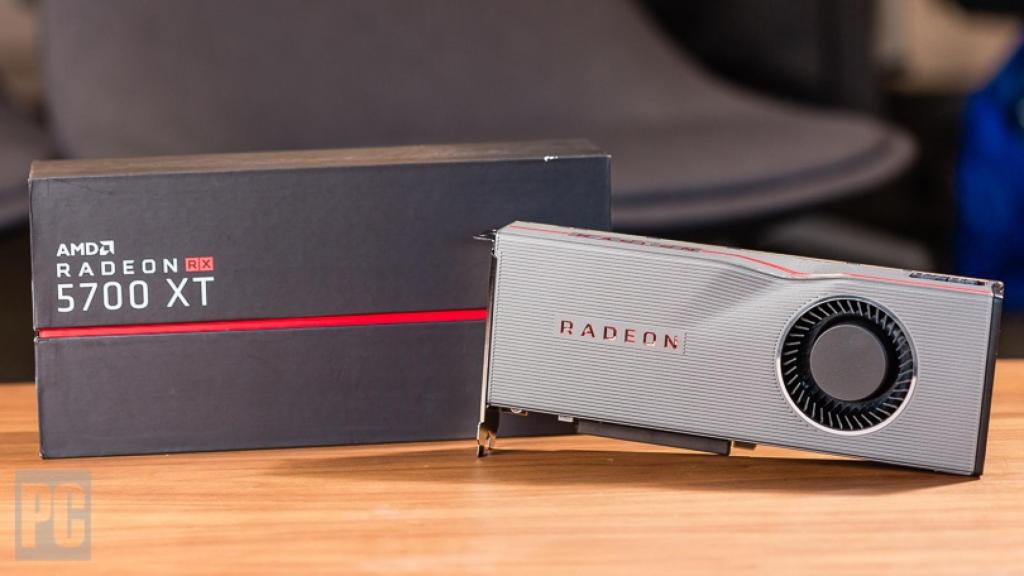
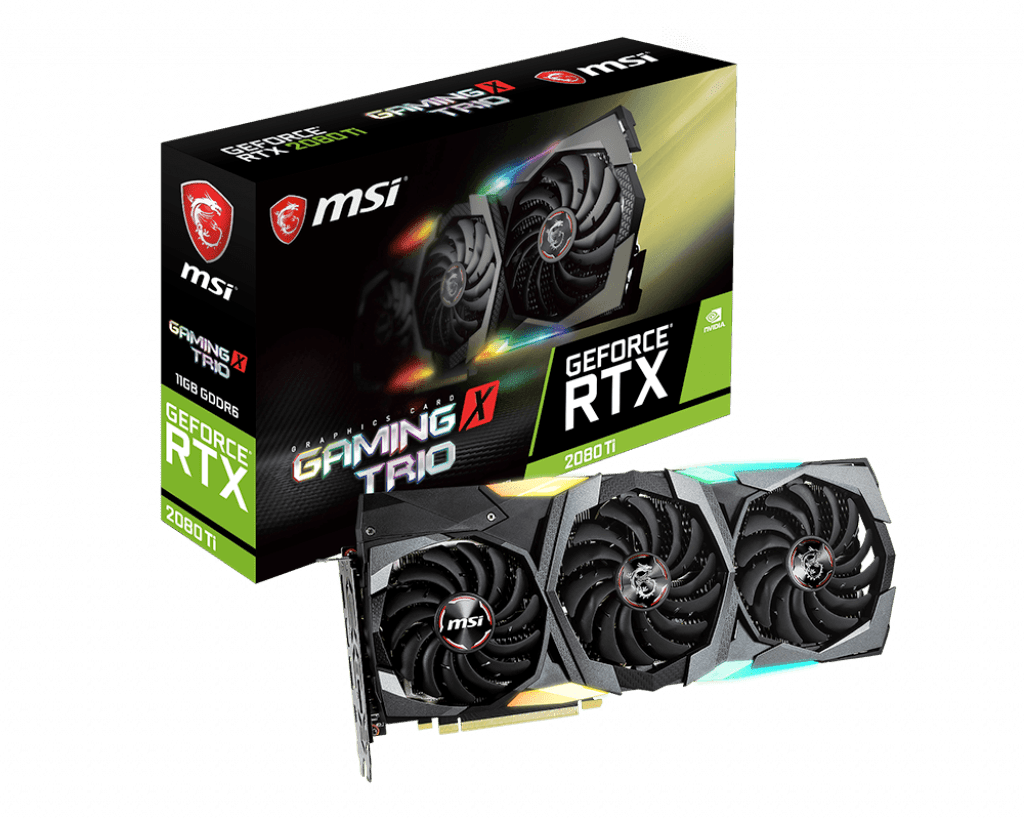
The RTX 2080 Ti starts at around $1,199. No question, this is a lot of money and this is ONLY for one component of an entire PC. In comparison, AMD’s Vega 64 starts at $450 and this is a great price to performance for someone not wanting to break the bank. In terms of price, it’s very understandable why many people tend to go for AMD vs Nvidia cards. AMD released a new card called the 5700xt which is literally giving Nvidia a run for their money. It starts at around ~$400 and is performing almost as well as their $700 RTX 2080. Below are some pictures of the cards.
It’s understandable if you’re going for a top performance card and a top performance computer build to spend $1200; however, it’s clear that more $200 graphics cards are sold than $500 ones. Nvidia clearly leads in performance, and even performance per dollar with some of its high-end cards, but in terms of price, it’s hard to want to spend a lot of money on something you might not see a benefit with.
 Mckays Tech Review
Leave a comment